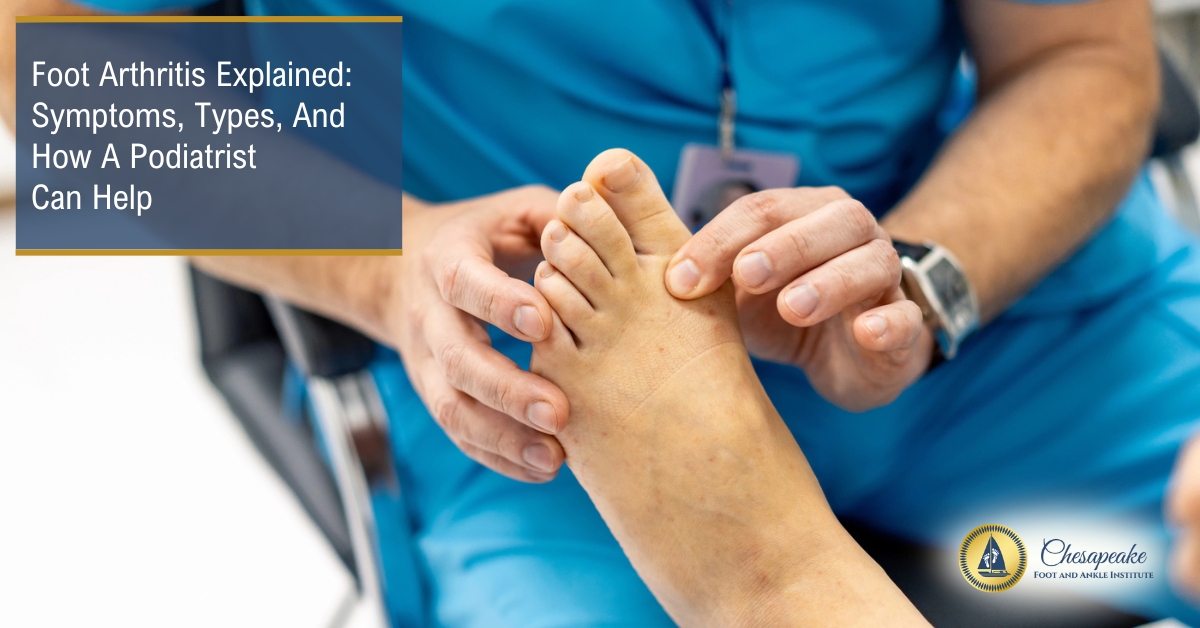
Plantar warts are a common foot condition – especially in children under 12, but they can affect adults as well.
These warts appear on the soles of the feet and are caused by a viral infection in the outer layer of skin.
While typically not dangerous, plantar warts can become painful, particularly when located on weight-bearing areas.
Left untreated, they may spread or deepen, making walking uncomfortable.
Because they are contagious, it’s important to recognize the signs early and seek appropriate treatment.
This article explores what causes plantar warts, how to tell when they’ve resolved, and the treatment options available through a podiatrist near you.
Keep reading to find out.
What Is A Plantar Wart?
A plantar wart grows inward underneath hard, thickened skin, like what’s on the bottom of your feet.
It most frequently shows up on bottom of the feet, but sometimes can be elsewhere like under a toenail
It’s caused by the Human papilloma virus (HPV virus) infecting the outer layer of skin.
The virus enters your body through cracks or breaks on the surface of your feet.
These areas bear the most pressure.
They can grow either in clusters or as a single wart.
When they develop in children, they can last from anywhere from a few months to 2 years.
In adults, they usually last longer – several years, potentially.

How To Tell If It’s A Plantar Wart Or Not?
Plantar warts are easy to mistake for corns or calluses.
However, there are a few telltale signs.
You can tell it’s a plantar wart by the following signs:
- Small rough growths concentrated around the base of the toes, ball of your foot, or heel
- The growth(s) interrupt the normal lines and ridges of your skin
- Gray or brown appearance on people with lighter skin
- Lighter color on people with darker skin
- Black pinpoints in the center of the wart, which are small clotted blood vessels called ‘wart seeds’
- Calluses over the wart
- Tenderness or pain when walking, standing, or otherwise putting pressure against the wart
What Triggers Plantar Warts?
As we mentioned, plantar warts are a symptom of particular strains of HPV (human papillomavirus).
There are over a hundred types of HPV, but only a few of them can cause plantar warts, and everyone reacts to them differently.
Your immune system may respond to the virus by forming plantar warts while someone in your family doesn’t develop them.
The HPV strains responsible for plantar warts aren’t highly contagious.
However, they are more likely to spread and thrive in moist, warm places, like in showers or at swimming pools.
Walking barefoot in those areas is liable to cause or worsen plantar warts.
They are also more likely to affect the following populations:
- Children and teenagers
- People with weakened immune systems
- People who have had warts before
Is It Bad To Pick A Plantar Wart?
It can be tempting to pick or scratch at a plantar wart.
But it’s important to resist the temptation, because picking doesn’t actually get rid of the wart.
In fact, picking them may cause them to spread to other members of your household.
When you pick at the wart, you’re exposing the HPV virus again and getting it on your hands.
As a result, plantar warts may form on your fingers or even spread to other areas via touch.
If you do touch your warts, wash your hands thoroughly afterwards.
How Can A Podiatrist Help With Plantar Warts?
If you have a plantar wart, there are a number of at home treatments that can be effective.
If you’ve attempted home treatments without improvement though, or they keep coming back, you should book a consultation with us.
Additionally, see us if you experience or have any of the following conditions as well:
- Growths change in color or shape
- The growths start bleeding or become more painful
- You have diabetes
- You’re immunocompromised by HIV/AIDs, immunosuppressant drugs, or other conditions that affect the immune system
- You have poor feeling, numbness, or unusual pain in your feet
Importantly, you should always check with us if you aren’t certain it’s a plantar wart, just so we can rule out other conditions.
The way we address plantar warts is with any of the following treatments:
1. Cryotherapy/Cryosurgery
Using a liquid nitrogen solution, we can freeze your wart by applying it with a spray or swab.
This destroys the tissue of the wart and stimulates your immune system to target the virus at the same time.
This method can be painful, so we typically offer to numb the area first.
Once treated, the skin around the wart forms a blister that sloughs off within a couple of weeks.
Repeat treatments may be needed.
It can also cause a change in pigmentation around the affected area, especially if you have darker skin.
2. Salicylic Acid
Salicylic acid is a peeling medicine we use to remove the wart one layer at a time.
This is another treatment that boosts your immune system to help it fight off the HPV strain.
The treatment takes regular applications over the course of weeks.
There are other topical medications that can be used as well.
Your podiatrist will help you decide which is best for you.
3. Laser Removal Treatment
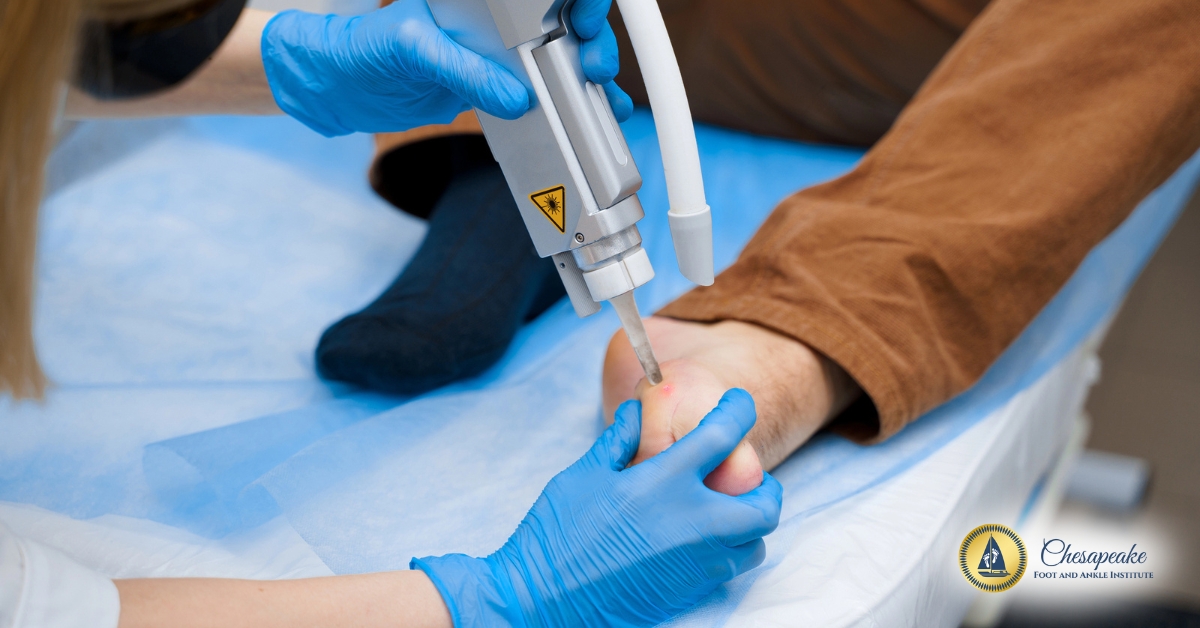
Using a special laser, we cauterize (burn closed) the blood vessels under your wart.
You’ll need to repeat the treatment every 2 to 4 weeks.
The infected tissue eventually dies with this treatment, and then the wart falls off.
4. Surgical Wart Removal
We can surgically remove your plantar wart with a variety of techniques.
We either cut away the wart or use an electric needle to destroy it, which is called electrodesiccation and curettage (VIDEO).
This is not usually our first recommendation, as surgery can be painful and result in scarring.
This scarring on the bottom of your foot may be painful for some time afterwards.
As a result, we generally prefer to try other treatments first.
5. Vaccination Or Other Medications
The goal of the HPV vaccine is to help your immune system learn how to target and kill the virus.
It wasn’t specifically meant to target plantar warts, but it has been effective in treating them.
There are also other medications that stimulate your immune system to fight viral warts.
Book Your Appointment With The Our Podiatry Clinic In Tyson’s Corner, VA Today
Plantar warts may not be dangerous, but they can certainly be uncomfortable and stubborn.
Whether you’re dealing with pain when walking, changes in skin texture, or warts that keep coming back, getting professional treatment can make a big difference.
At Chesapeake Foot and Ankle Institute, our podiatrists use effective, evidence-based methods to help remove plantar warts and reduce the chance of recurrence.
We’ll evaluate your symptoms, discuss your options, and find the best treatment plan for your needs.
Book your appointment with Chesapeake Foot and Ankle Institute today and take the first step toward healthier, pain-free feet.